


Allwin
Allwin
Prodcut_banner.jpg

Temperature Data Loggers

Home Temperature Data Loggers
data_loggers.jpg

Accurate Temperature Monitoring for Every Shipment

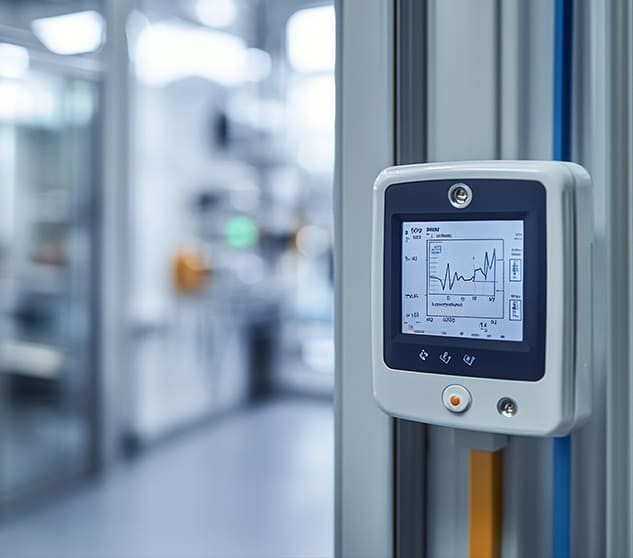
A temperature data logger records temperature at set intervals, saves each reading with a timestamp, and flags any reading outside a set limit. The result is a complete record of what the product experienced in transit.


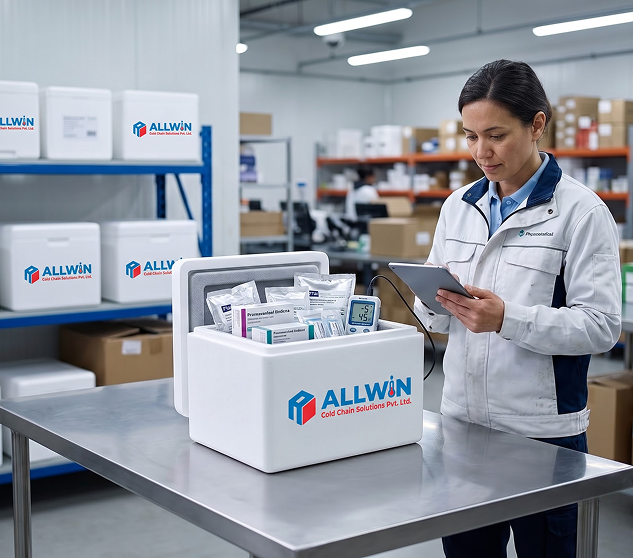
Allwin Cold Chain supplies digital data loggers that track temperature across a shipment's full journey, from dispatch to delivery. They work with insulated packaging and PCM coolant as one system, so you get documented proof the cold chain was maintained for compliance, audits, and dispute resolution.


Range: -40°C to +40°C · Built to ISTA and WHO standards · Custom-configured for your route
Custom-Temperature-Humidity-Data-Logger-Solutions.png

Custom Temperature & Humidity Data Logger Solutions

Different shipments need different monitoring. A one-way vaccine shipment is not the same as a returnable pharmaceutical route or a fixed cold store. Allwin configures each temperature and humidity data logger to the application, choosing temperature-only or temperature and humidity, single-use or multi-use, and setting the logging intervals and alarm thresholds to your product and route. The result is a device configured for your shipment, so the data reflects the conditions your product will actually face.

Types of Data Loggers We Offer

Allwin offers three types of data loggers. The right one depends on packaging type, how long the trip runs, and how sensitive the product is.


  • Single-Use Data Logger. Designed for one-way shipments where the device is not intended to be returned. Its low cost makes it practical for individual boxes or shipments. The receiver can review the recorded data on arrival, typically through a PDF report, before disposing of the device. It is well suited for outbound pharmaceutical, vaccine, and food shipments on long-distance or one-directional routes.
  • Multi-Use Data Logger. Designed for repeat shipments on closed-loop routes, where packaging returns to base and the device can be reused. With one device covering multiple trips, the cost per shipment decreases over time. This makes it a practical choice for returnable shippers and established transport lanes.
  • Live Temperature & Humidity Device. Sends temperature and humidity readings in real time throughout the journey, rather than providing data only on arrival. It is ideal for high-value or critical shipments where early detection of temperature excursions can help protect the entire load.

Key Features of Temperature Data Loggers

A data logger is only effective when it delivers an accurate and complete record. Any incorrect reading, battery failure, or missing data can compromise traceability and create audit concerns. Check these features before you buy a temperature data logger.


  • Accuracy. Look for a device rated to around ±0.5°C, which is the accepted standard for pharmaceutical and food shipments. For reliable monitoring, accuracy should be a priority when choosing a data logger.
  • Traceable calibration certificate. A dated, traceable calibration certificate is essential. Without one, even accurate readings may not be accepted during an audit.
  • Configurable logging intervals. Adjustable recording intervals let you match the sampling rate to the product and shipment, from one-minute to hourly readings.
  • Onboard memory. The device should have enough memory to store the complete trip, including periods without signal, so no readings are lost.
  • Programmable alarms. The device lets you set the safe temperature range and clearly flags any breach, allowing staff to check shipment status at a glance.
  • Reporting and housing. PDF and CSV reports simplify data export and audit sharing, while a rugged, sealed design protects the device during demanding transport conditions.

Need full specifications? Request the Data Sheet

Contact Us

Data Logger Solutions for Various Industries & Applications

Data loggers are essential for products where temperature directly affects quality or usability. Allwin configures its loggers for each of the sectors below, matching the device to the product and route.


  • Pharmaceuticals & vaccines. Due to stringent regulatory requirements, even a single temperature excursion could cause a complete batch to be rejected. Data loggers provide the necessary, reliable tracking data to assure manufacturers when shipping conditions are challenged.
  • Healthcare & life sciences. The viability of samples, reagents and diagnostics can be put at risk by temperature variations-yet without a telltale clue. Data loggers give laboratories the traceable history to determine if materials were kept fit for purpose.
  • Food & beverage. Maintaining the cold chain requires more than temperature control; it requires proof. Data loggers provide food businesses with a documented record of conditions from source to shelf, supporting both quality and compliance.
  • Logistics & warehousing. Refrigerated vehicles and cold storage sites need continuous, documented monitoring across every shipment. Loggers provide that record and help settle disputes with carriers when a load is challenged.
  • Agriculture. Produce storage and controlled-environment facilities depend on stable conditions to maintain product quality. Data loggers monitor these conditions over time and help identify changes before they affect the crop.

USB vs. WiFi vs. Bluetooth Data Loggers

Connectivity is about how you retrieve data from the device and is often the key element on which your purchasing decision rests. Allwin helps you pick the one that fits your operation.


  • USB data loggers. The device plugs straight into a computer and generates a PDF report, with no software to install. It is simple, reliable, and cheap, which makes it the standard choice for one-way shipments where the receiver reads the data on arrival.
  • Bluetooth data loggers. Data is sent wirelessly to a nearby phone or tablet, usually within 10 to 100 metres. This lets staff extract readings without opening sealed packaging, which is useful for quick checks at a warehouse or handover point.
  • WiFi & wireless data loggers. The device sends readings over a network to a cloud dashboard, with live alerts if the temperature breaks its limit. This gives real-time visibility, which suits fixed sites like cold rooms and high-value shipments where you need to act during the trip.

Which type suits your setup? Ask an Expert

Contact Us

Popular Data Logger Applications

The right logger is the one matched to the shipment rather than picked off the shelf. These are the setups used most often across the industry, and Allwin supplies the device for each.


  • One-way pharma & vaccine transit. A single-use data logger travels with each shipment and is read upon arrival, providing a clear, traceable compliance record for outbound deliveries that are not returned.
  • Closed-loop distribution. A multi-use data logger moves with returnable packaging across established routes, capturing a complete record for every shipment while reducing monitoring costs over repeated trips.
  • High-value shipments. A live temperature and humidity device streams readings during transit, so any problem is caught early enough to save the load rather than discovered after the damage is done.
  • Fixed cold storage. Loggers provide continuous condition monitoring across temperature-controlled facilities, creating traceable records to support compliance, quality assurance, and audits.
  • Moisture-sensitive goods. A temperature-humidity data logger continuously monitors both temperature and humidity for products such as biologics and food, where fluctuations in either condition can compromise product quality, stability, and shelf life.

Why Choose Allwin Data Loggers

Most suppliers provide the data logger as a standalone device. Allwin combines the logger, insulated packaging, and PCM coolant into one matched system, configured for the specific route. This means the temperature record reflects actual shipment performance, while the complete system is designed to help prevent excursions, not simply record them.

Each setup is configured around the product, route, and compliance requirements, covering -40°C to +40°C across chilled, frozen, and controlled-ambient applications. Systems are built to ISTA and WHO standards. With ready-to-deploy stock, fast customisation, and a professional team with years of experience in PUF-insulated packaging, Allwin provides monitoring solutions designed around the shipment - not a generic catalogue product.

Precise data. Complete visibility. Proven compliance.

Allwin Cold Chain supplies temperature monitoring devices that measure and record temperature accurately across demanding applications. Monitor every shipment. Maintain complete visibility.
Contact Us

Frequently Asked Questions

An electronic device that records temperature and sometimes humidity at set intervals with a time stamp. In the cold chain, it gives a complete record of the conditions a product experienced from dispatch to delivery.

Single-use is used for one shipment, then discarded, which suits one-way trips. Multi-use is reused across many trips, which suits return routes where the packaging comes back.

It depends on the device and settings. Single-use loggers last their trip; multi-use devices run for months or longer, depending on the logging interval.

Multi-use loggers can, and are built for it. Single-use loggers cannot, as they are made for one trip.

Allwin's systems are built to ISTA and WHO standards. For specific GxP or validation needs, confirm the exact device with the Allwin team.

A USB logger stores data on the device for readout on arrival. A WiFi or real-time logger sends data during the trip to a cloud dashboard, so you get live conditions and alerts.

One to five minutes for sensitive pharma and vaccines; fifteen to thirty for stable goods. Use the longest interval that protects the product.
Chat with us ×