


2026-06-03
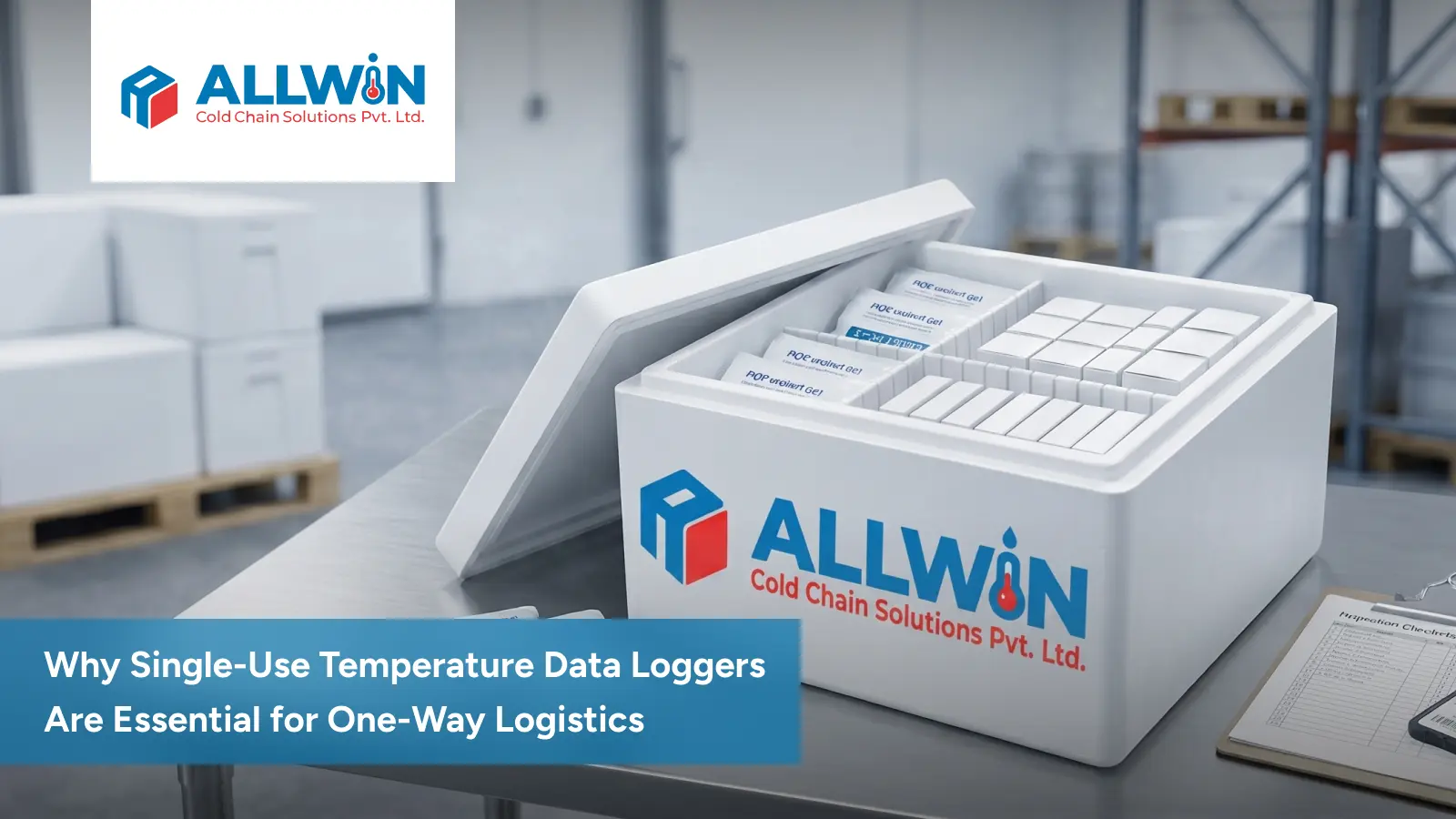
Cold shipments don't usually fail because somebody forgot to chill them. They fail in the gaps. A pallet sits on a warm dock through the afternoon rush. A pickup runs two hours late. Customs holds a box longer than anyone planned. The last-mile driver shrugs and says he'll come back tomorrow. On a one-way lane you see none of this. The freight leaves, and the first real feedback you get is the customer on the phone.
A single use temperature data logger fixes that. It sits inside the shipment, tracks the temperature the entire way, and prints you a report when it arrives. Nothing comes back, which is the whole reason it suits one-way work so well. For long routes that only run in one direction, the Single-use Temperature Data Logger for one-way logistics has gone from optional to expected.
Here's what this guide walks through: what these devices actually are, how they work, the types on offer, how they stack up against reusable units, who uses them, and how to pick one that fits your routes.
A single use data logger records one trip and then it's finished. You don't reset it, you don't ship it home, and you don't recalibrate it. Read the data, and that's that.
Compare that to a regular temperature data logger bolted inside a cold room. That one lives there for years and gets reused constantly. The single-use kind is the opposite idea: built for the road, used once, done.
Ask most teams where temperature goes wrong and they'll point at the truck. Wrong place to look, mostly. The trouble hides in the boring stretches: the loading bay, the hub handover, the hours a box waits around, the slow receiving desk. Those gaps belong to nobody, so nobody watches them.
One-way lanes make this sharper. No return trip means no chance to inspect, no chance to fix. If something isn't recording, you're putting your faith in strangers down the line. A cold chain temperature logger is often the only thing keeping its eyes open through all of it.
What happens when you skip monitoring:
Four steps, and that's genuinely all there is. Start it, let it record, send it off, read it at the end.
The reading part is where these shine. A Single Use USB Temperature Data Logger goes straight into a laptop and pops out a PDF on its own. No install, no separate reader, no calling IT. That's why One Time Use USB Temperature Data Loggers caught on for cross-border and third-party shipments. Whoever opens the box, wherever they are, sees the whole record within seconds.
The four steps:
There's no single right device, and paying for features you'll never use is just money gone. Start with two things: what the product reacts to, and what a failure would actually cost you.
Most parcels are happy with the basic unit. Some need humidity watched as well. A handful are worth the price of live tracking.
The main types:
Everyone asks which one's better. The real question is simpler: does your packaging come back? In a closed loop, a reusable device earns its higher price over dozens of trips. On a one-way route, going after returns wipes out whatever you thought you'd save.
So this comes down to how your network runs, not the gadget.
How to decide:
Why do these keep landing in more shipping plans? Cost, mostly, plus the relief of not chasing devices around the country. They're cheap enough to drop into every carton, not just the odd test load, and they kill the one chore that makes one-way monitoring a pain: the return.
They also give you something to point at. Not "we're pretty sure it stayed cold," but an actual report.
What you gain:
Anywhere a temperature swing can wreck a product or kill a test result, these turn up. The risk looks different by sector, but the need for proof doesn't move.
Where they're used most:
Buying on price alone is a trap. A cheap logger that quits before your longest delay isn't cheap, it's useless. What counts is whether the thing survives a real route, in real heat, across real handovers.
What to check before you commit:
Knowing what a device can do is one thing. Fitting it to your route is another. A logger that's spot-on for a 12-hour domestic run can flop on a 36-hour export in July, so the choice always comes back to the lane.
Work through the route honestly before you decide.
When you're set to Buy Single Use Data Logger units in bulk, go with a supplier who'll recommend around your routes instead of pushing whatever's cheapest on the shelf.
The whole category is shifting toward more data for less effort. Live single-use devices keep getting cheaper as cellular prices drop, and logger data is starting to land in cloud dashboards by itself rather than sitting in someone's spreadsheet.
What's coming next:
At Allwin we think of cold chain as one joined-up system, not a row of separate items on a price list. A logger is only as good as the box and the coolant around it, so we set all three to the same route.
What that means for you:
Talk to Allwin about the right single-use logger for your lanes
One-way logistics comes with a blind spot baked in. The freight goes, you can't watch it, and the riskiest hours are the ones nobody's looking at. A single use temperature data logger fills that gap with a full record and zero return to manage.
Keep it lane-based. Fit the device to each route's length, temperature, and value, choose the type that suits what the product reacts to, and actually read the data instead of filing it. Get that right and temperature control turns into something you can show, not just something you hope went fine.

© Copyright 2026 Allwin. All Right Reserved