


2026-03-27
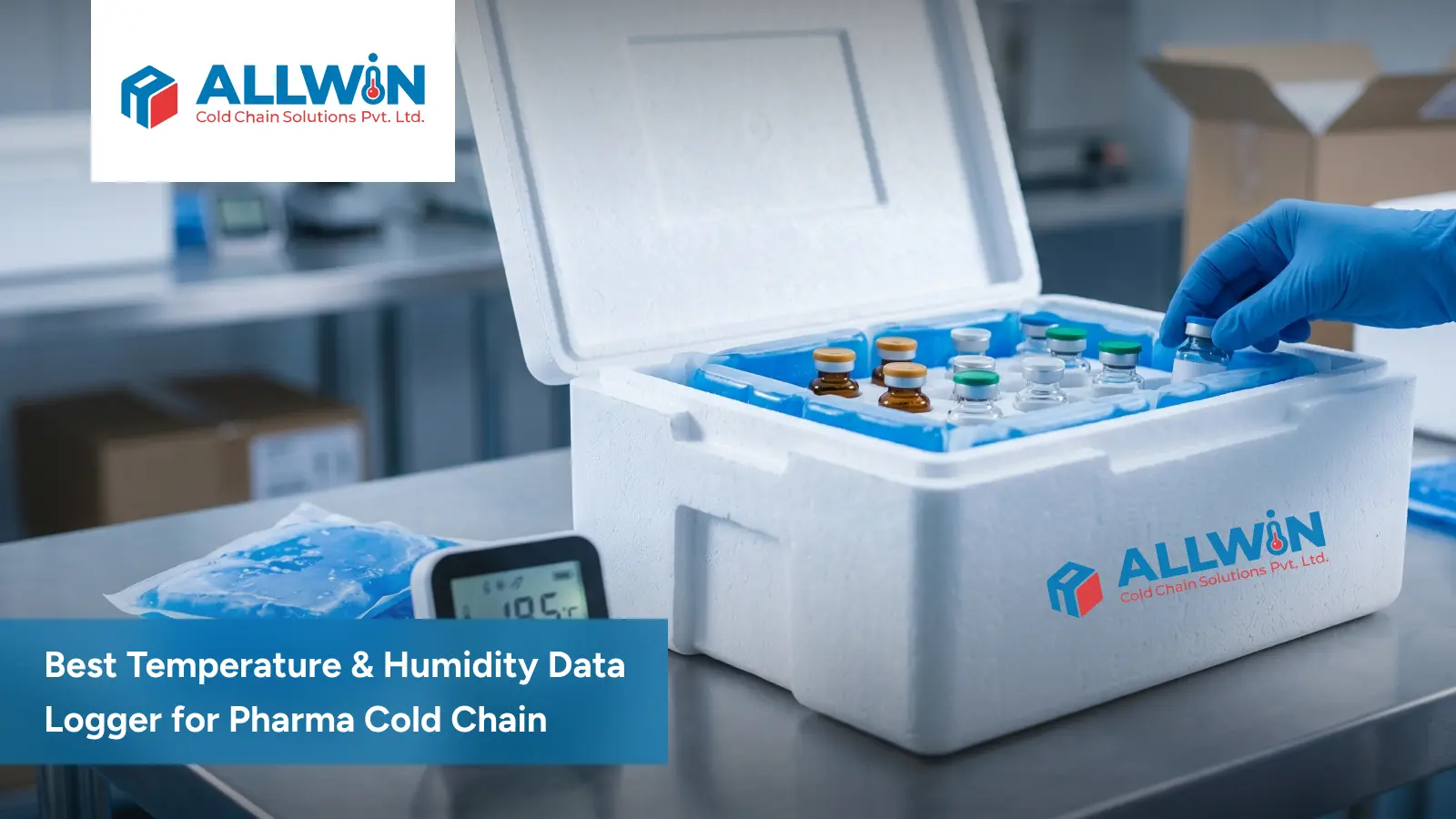
A data logger is an electronic device that automatically records temperature and humidity during storage and transit. In cold chain, it proves that temperature sensitive goods stayed within safe ranges throughout the journey. Types include single use data loggers,reusable temperature data loggers, wireless temperature data loggers,and humidity data loggers each suited to different pharma, food, lab, and ecommerce shipment needs.
Picture this. Insulin. Delivery van. Eighteen hours on the road.
Driver says temperature was fine the whole time. Of course he does.
But fine according to what? His gut feeling? The fact that the AC was on? Without a data logger riding inside that shipment, "fine" means absolutely nothing. It's a guess dressed up as assurance.
And in this industry, guesses have consequences. WHO puts it plainly roughly 25% of vaccines arrive at their destination already degraded because of cold chain failures. One in four. Before a single patient is treated.
So if you're moving temperature sensitive goods without logging what actually happens to them in transit, that's the company you're keeping. This guide covers what a data logger is, how it works, the types available, and why serious cold chain operations don't move product without one.
A data logger is an electronic device that records environmental conditions automatically, at set intervals, over a defined period. In cold chain, that means temperature. Often humidity too.
It travels inside or alongside the package. Silent. Recording. While the shipment moves through warehouses, trucks, airports, and last-mile chaos, the logger is just doing its job.
Data logger temperature readings are stored in internal memory. Thousands of them. So that two-hour spike between Ahmedabad and Mumbai? Captured. Timestamped. Impossible to argue with.
In a wireless temperature data logger, that data doesn't even wait until delivery. It transmits live. But we'll get to that.
The short version: a temperature data logger is proof. Not a promise, not a claim. Proof.
Nothing complicated here, actually.
A sensor inside the device measures temperature continuously. Every 5 minutes, every 10, every 30 whatever interval you program. Each reading gets saved to memory.
Before the shipment leaves: The logger gets configured. Recording interval, alarm thresholds, start trigger. Some come pre-activated from the factory. Others kick in when the box is sealed. Depends on the model.
While the shipment is moving: The device records quietly. Nobody needs to do anything. If temperature crosses the upper or lower alarm limit, a flag is raised. On basic models, that's an LED indicator on the device itself. On a wireless temperature data logger, it's a live notification on someone's phone before the product is even compromised.
When the shipment arrives: Data gets downloaded. USB mostly, sometimes Bluetooth via an app. Out comes a PDF report with full temperature history, excursion flags, min/max readings. That document goes into the shipment file.
That's the report regulatory auditors want to see. That's what a pharma client needs for GxP sign-off. That's what customs authorities in some corridors now require as standard.
A temperature and humidity data logger adds a second sensor to the same device. Moisture-sensitive products, diagnostics, biologics, certain APIs need both tracked. One device handles it.
A logger, though, only tells part of the story. The packaging it sits inside tells the rest. Allwin Cold Chain Solutions integrates their data loggers directly into validated packaging systems tested alongside their PCM-based chill pads as one complete unit. The packaging protects what the logger measures. The logger validates what the packaging claims. They work together, not separately.
The market has several categories. Getting this choice wrong creates operational headaches that compound over time.
The single use data logger, also called a single use temperature data logger, goes out with one shipment and doesn't come back. Data gets pulled, device gets discarded.
Wasteful? On the surface, maybe. But consider the alternative: paying for return shipping on a device worth a few hundred rupees, hoping it arrives back undamaged, then reprocessing it. For outbound-only or international distribution, single use temperature data loggers for one way logistics are actually the leaner choice.
They also come pre-configured from the factory. Less human handling before dispatch. Fewer setup errors. That matters more than people admit.
For companies using Allwin's cold chain courier shippers, the lightweight insulated boxes built for single-trip pharmaceutical and ecommerce shipments paired with a single use data logger is the natural fit. One box, one logger, one trip. Clean documentation from dispatch to delivery.
Pharma distribution, vaccine cold chain, clinical trial samples this is where the single-use format dominates.
A reusable temperature data logger some call it a multi-trip data logger, does the same job but comes back and gets reset between trips. Over hundreds of shipments, the per-trip cost drops significantly.
Works well for closed-loop networks. Packaging comes back anyway, logger comes back with it.
The risk is operational, not technical. Devices that weren't recharged. Loggers that got misplaced in a return shipment. Units that weren't reset properly. If the handling process isn't disciplined, reusable loggers become a liability rather than a saving.
This format pairs well with Allwin's reusable shippers VIP (Vacuum Insulated Panel) packaging built specifically for closed-loop distribution of sensitive goods. When the shipper comes back for the next trip, the multi-trip data logger comes back with it. Same return cycle, same operational rhythm.
This one changes the game.
A wireless temperature data logger doesn't wait until delivery to share its data. GSM, Bluetooth, Wi-Fi, and NFC, depending on the model, it pushes live readings to a dashboard or a phone throughout the journey.
Wireless data loggers for cold chain monitoring can provide real-time visibility into shipment conditions throughout transit. That makes it a genuine real-time temperature monitoring device. Your logistics team can see what's happening inside a package in Nagpur while it's still three hours from Hyderabad. If there's an excursion developing, you know before the product is gone.
For high-value pharmaceutical cargo, the math is simple. One saved batch covers the cost of a lot of wireless loggers.
Temperature isn't always the only concern.
A humidity data logger tracks moisture levels independently. A temperature and humidity data logger combines both sensors in one unit. A temperature and humidity data logger for pharma cold chain can be useful for biologics, diagnostics, and products with moisture-sensitive formulations where monitoring both conditions is important.
Used inside cold rooms, reefer containers, or large pallet shippers. Multiple probe points, measured simultaneously. When temperature gradients across a large shipment space matter, these are the tool.
Choosing the right logger depends on the product, shipment duration, monitoring requirements, and whether alerts are needed during transit. The comparison below highlights the key differences to help you select a logger that fits your cold chain operation.
| Type | Best For | Trip Use | Real-Time Alerts | Cost Per Use |
|---|---|---|---|---|
| Single Use Temperature Data Logger | Outbound pharma, vaccines | One trip | No | Low |
| Reusable / Multi-Trip Data Logger | Closed-loop distribution | Multiple | No | Very low over time |
| Wireless Temperature Data Logger | High-value, long-haul | One or multi | Yes | High |
| Temperature and Humidity Data Logger | Biologics, diagnostics | Both | Optional | Medium |
| Humidity Data Logger | Moisture-sensitive products | Both | Optional | Medium |
Shorter answer: wherever temperature-sensitive goods travel.
The pharmaceutical cold chain is the obvious one. A data logger for pharmaceutical cold chain shipments is non-negotiable in regulated operations. For insulin, vaccines, biologics, and clinical trial samples, documented temperature records are required, not suggested.
Food and beverage is catching up fast. Dairy, meat, seafood, and fresh produce. FSSAI regulations are tightening around traceability, and cold chain temperature monitoring India is increasingly an audit item for food manufacturers and distributors.
Labs and diagnostics. Blood samples, tissue samples, reagents, anything with a chain-of-custody requirement. Temperature is part of that chain.
Ecommerce cold chain is the segment moving fastest right now. Health supplements, specialty foods, nutraceuticals. A cold chain data logger in the package adds both regulatory standing and protection against unwarranted return claims.
Reefer transport and air cargo. Long-haul trucks, shipping containers, air freight. Carriers and customs authorities in some corridors require data logger temperature documentation as part of the shipment paperwork.
India's cold chain market is projected to cross $19.8 billion by 2026 according to ASSOCHAM-KPMG estimates. Pharma and food are driving most of that. Both sectors are under growing regulatory pressure to document temperature control. Not aspirationally. Actually.
Allwin Cold Chain Solutions addresses each of these use cases directly. Their reusable cold chain boxes, built for repeat-use distribution in pharma and food sectors, are designed with data logger placement already factored into the packaging configuration. The box and the logger aren't two separate decisions. They're one system.
Data loggers help businesses track temperature conditions throughout storage and transportation, providing a clear record of how products were handled. This visibility can support better quality control, faster issue detection, and more informed cold chain decisions.
Proof, not a verbal assurance. Client wants to know if their product stayed at 2-8°C for the full 36-hour journey? You pull up the report. No debate. No "we think it was fine." That's a fundamentally different conversation.
Intervention before damage. A wireless temperature data logger doesn't wait until delivery to flag a problem. Alert fires mid-route. Team responds. Product saved. Compare that to discovering the issue after unboxing.
Regulatory documentation, auto-generated. WHO GDP guidelines, CDSCO pharmaceutical distribution requirements, and FSSAI traceability mandates that a cold chain data logger generates the records these frameworks require. Without it, you're building that documentation manually or not at all.
Dispute protection. Receiver claims warm product. Your logger shows clean temperature until the last 45 minutes of last-mile delivery. That's documented. That changes who bears responsibility.
Operational intelligence. Run data across 200 shipments and patterns emerge. Which routes have consistent excursions? Which carrier has the most temperature events? Which cold chain packaging format holds longest in summer conditions? None of this surfaces without data.
Less waste. A temperature excursion without a log often means the whole batch gets quarantined as a precaution. A log lets you do a proper risk assessment. A 20-minute excursion at 9°C in a 2-8°C product might be within acceptable deviation. That determination is only possible with data.
Most buyers think about compliance as a checkbox. It's actually a risk-management issue dressed in paperwork.
CDSCO guidelines aligned with WHO Good Distribution Practice require pharmaceutical companies in India to maintain documented evidence of temperature conditions throughout distribution. Not just in the warehouse. During transport too.
A data logger for pharmaceutical cold chain operations isn't optional under this framework. It's what an inspector looks for during a GDP audit. Companies operating without proper temperature records face regulatory action, license suspension, and in some cases, product recall.
For export to EU markets, EU GDP guidelines require calibrated monitoring devices and long-term record retention. WHO recommends pharmaceutical temperature records be kept for a minimum of five years. FDA 21 CFR Part 11 covers electronic record integrity for US-bound shipments.
When evaluating any cold chain data logger for compliance use, verify these specifically:
Calibration certificate from an ISO-accredited laboratory. Without it, the data has no legal standing. PDF report output in a format regulators will accept. Tamper-evident design on single use temperature data loggers where chain-of-custody matters. And documented alarm response not just that an excursion occurred, but that it was reviewed and acted upon.
That last point trips companies up in audits more than any other.
Allwin Cold Chain Solutions builds its packaging systems from PCM chill pads to insulated shippers around GDP-aligned documentation requirements. When their data logger is part of that system, the whole configuration has been tested and validated together, which simplifies the compliance documentation process significantly for pharma clients.
See Also : Temperature Controlled Packaging Solutions: A Complete Guide
Temperature range first. A 2-8°C pharma product and a -20°C frozen biosample need completely different devices. Verify the logger's sensor range covers your worst-case ambient scenario, not just the ideal.
Route length and complexity. 24-hour domestic lane? A single-use data logger handles it cleanly. Multi-day international route with a high-value payload? A wireless temperature data logger with live alerting justifies the cost difference.
Distribution model. Closed-loop with packaging returns? A reusable temperature data logger or multi-trip data logger makes financial sense over volume. Outbound-only? Single-use keeps it simple.
Humidity requirement. Don't assume a device covers both. If the product needs moisture tracking, specifically select a temperature and humidity data logger or a standalone humidity data logger.
Report format. Proprietary software reports create friction with clients and auditors. Standard PDF output is cleaner across the board.
Battery life. Match it to your longest realistic shipment duration, then add 20% buffer. This is a detail people skip and then regret.
Calibration documentation. Always request it. If the supplier can't provide ISO-certified calibration records, that device has no place in a regulated supply chain.
The right logger is only half the decision. The packaging it sits inside matters just as much. Allwin Cold Chain Solutions helps clients match the logging configuration to the actual validated packaging system, whether that's a single-use courier shipper for pharma distribution or a reusable shipper for a closed-loop network. The two need to work as one validated unit, not as two separate vendor decisions.
A data logger is a small device. What it does is not small at all.
It's the difference between a documented cold chain and an undocumented assumption. A temperature data logger proves that temperature sensitive goods arrived in the same condition they left. That proof protects product, satisfies auditors, builds client trust, and over time makes every cold chain decision smarter.
Cold chain temperature monitoring India is no longer a progressive capability for forward-thinking companies. It's the floor. Baseline expectation. And the regulatory direction is only one way.
The cold chain is only as strong as its weakest recorded point. Start recording all of them.

© Copyright 2026 Allwin. All Right Reserved