


2026-03-26
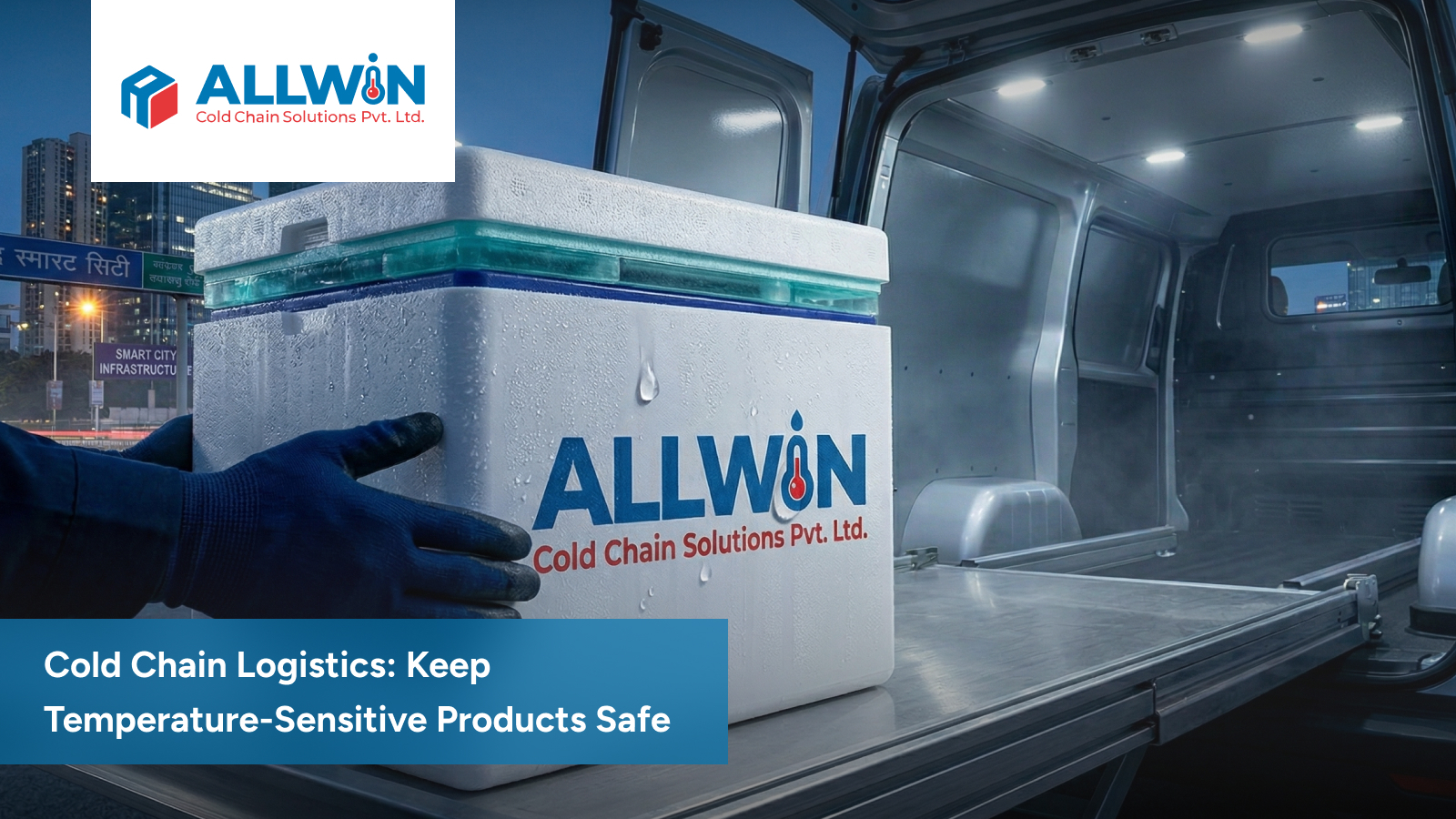
Cold chain logistics is a temperature-controlled supply chain system that keeps temperature sensitive products safe from the point of manufacture to final delivery. It combines cold chain packaging solutions, real-time monitoring, data loggers, and strict process discipline to prevent spoilage, compliance failures, and product loss. For pharma, food, and healthcare companies across India, a broken cold chain isn't just a logistics problem. It's a product integrity crisis waiting to happen.
Somewhere in India right now, a shipment of temperature sensitive pharmaceutical products is sitting on a loading dock.
Warehouse staff are busy. Truck is running late. Outside it's 43 degrees. Nobody's particularly worried because honestly, this is just how things get done around here.
Three days later, a pharmacy in Bhopal receives that shipment. Accepts it. Dispenses it.
That right there. That's the cold chain logistics failure nobody talks about. Not the dramatic refrigerator breakdown with alarms going off. The quiet one. The one that happens because the shipment wasn't treated like it mattered at every single point in its journey.
India loses between 30 and 40 percent of its perishable goods annually to inadequate cold chain infrastructure. ASSOCHAM has the numbers to back that up. For temperature sensitive pharmaceutical products specifically, those losses mean wasted healthcare spending, regulatory exposure, and in the worst cases, real patient harm.
What follows is a breakdown of how cold chain logistics works, what consistently breaks it, what good cold chain packaging solutions actually look like, and what companies moving temperature sensitive products across India need to start doing differently.
Cold chain logistics is a supply chain where temperature is actively controlled and documented at every single stage. Manufacturing. Warehousing. Primary transport. Regional hubs. Last-mile delivery. Every link operates within a defined temperature window. Every handoff gets documented.
The word "chain" is doing a lot of work in that definition.
One ambient warehouse. One unrefrigerated leg. One handoff where nobody checked if the next vehicle was pre-cooled. That single gap can compromise the entire shipment even if every other stage was handled exactly right.
Three systems need to work together for this to hold. Temperature sensitive packaging that physically maintains conditions through insulation and cooling technology. Monitoring devices that record what temperature actually happened during transit, not what was supposed to happen. And process protocols governing how every person handles the shipment at every touchpoint.
Pull any one of those out and you don't have a cold chain. You have a gap dressed up as one.
Pharmaceuticals, vaccines, biologics, fresh food and dairy, diagnostics, and a fast-growing ecommerce segment in health and wellness products, these industries all depend on this system holding.
It comes down to chemistry. Simple as that.
Temperature sensitive pharmaceutical products like insulin, vaccines, monoclonal antibodies, and biologics are structurally fragile in ways that aren't obvious until something goes wrong. A few hours above 8°C can denature proteins, cut potency, or trigger degradation reactions that leave no visible trace whatsoever. Same vial. Different medicine.
Frozen products are less forgiving still. Plasma, certain oncology drugs, and some biologics stored at minus 20°C or colder. Brief excursions above that threshold cause irreversible damage. The product can't be refrozen and recovered. It's just gone.
Food sits somewhere in the middle depending on the category. Fresh seafood, raw dairy, and meat operate in tight windows. A two-hour excursion on an Indian summer delivery route isn't a quality issue. It's a food safety issue.
The hardest part about temperature sensitive shipping failures is the silence. A broken cold chain almost never announces itself at the delivery point. It shows up later. Reduced vaccine efficacy. Spoilage complaints. Regulatory findings during audits. By the time it's identified, finding the specific break in the chain is difficult and the damage is already done.
This exact problem is what Allwin Cold Chain Solutions is built around. A Gujarat-based company with deep manufacturing roots in PUF insulated packaging, their full product range exists to give pharma and food companies the cold chain packaging solutions infrastructure to eliminate these silent failures before they happen.
Also See : What Is a Data Logger? Types, Benefits & Cold Chain Uses
Understanding where things go wrong starts with understanding how the system is supposed to run.
Before anything gets packed, the temperature sensitive packaging needs to be prepared. For passive temperature controlled packaging, that means conditioning PCM panels to the correct temperature state beforehand. Skip this step or rush it and the packaging starts the journey already short on thermal capacity. Common failure. Entirely preventable.
Product goes inside the validated packaging alongside pre-conditioned coolant panels. The configuration box type, coolant quantity, and placement have been tested for a specific temperature range and transit duration. Using that system outside its validated parameters is where most packaging-related excursions come from.
Usually the most controlled leg. Refrigerated vehicles, documented departure temperatures, carrier accountability. Cold chain logistics companies in India have genuinely improved on this leg over the past decade. The problems tend to live in the stages around it.
Every carrier transfer is a risk point. Time on the dock. Vehicles that aren't pre-cooled. Documentation that falls through the cracks at handoff. Managing cold supply chain management across multiple logistics partners requires standardized protocols with temperature responsibility clearly defined before the shipment moves. Not discussed. Defined.
Consistently the most vulnerable leg in Indian cold chain logistics. Smaller vehicles, no refrigeration, handlers with no cold chain awareness, delivery windows stretching into afternoon heat. This is where insulated cold packaging solutions do some of their most critical work.
At delivery, temperature records get reviewed. The shipment is accepted only if temperature stayed within the validated range throughout. Any deviation triggers a formal investigation. Without a data logger inside the package recording the actual journey, this review simply cannot happen in any meaningful way.
Cold chain packaging solutions Aren't interchangeable. Right choice depends on the temperature requirement, route duration, ambient conditions, and whether the packaging operates in a single-trip or return-loop model.
Pre-validated boxes designed for one shipment. Typically XPS or EPS insulation with PCM panels inside, this single use packing format is commonly used for pharmaceutical courier distribution across India. Allwin's cold chain courier shippers are built specifically for shipping temperature sensitive products across Indian distribution lanes, lightweight enough for courier networks, validated for pharmaceutical temperature ranges.
Built for bulk pharmaceutical and food distribution where full pallet quantities need to move within a controlled temperature range. Used by larger manufacturers and distributors moving high volumes across longer distances.
VIP (Vacuum Insulated Panel) based systems built for multiple trips. Higher initial investment, substantially lower cost per trip over a distribution lifetime. Suited for closed-loop operations where packaging returns to origin. Allwin's reusable shippers are built for exactly this model: high-performance insulation combined with a return-and-redeploy operating cycle that makes financial sense for established pharmaceutical distribution networks.
The thermal engine inside most passive temperature controlled packaging systems. Phase Change Material panels maintaining specific temperatures for defined durations. Allwin's PCM High-Quality Chill Pads cover -40°C to +40°C across a wide range of standard sizes with durations up to 144 hours, covering virtually every Indian pharmaceutical distribution route requirement.
Hard-sided, durable containers built for repeat use in distribution networks requiring lasting thermal protection across rough handling. Reusable cold chain boxes can provide a practical option for businesses managing regular temperature-controlled shipments. Allwin's reusable cold chain boxes are designed specifically for the handling conditions Indian logistics networks regularly encounter.
| Format | Best For | Trip Use | Temperature Range | Cost Per Trip |
|---|---|---|---|---|
| Single-Use Insulated Shipper | Pharma courier, ecommerce | One trip | 2-8°C, -20°C | Low |
| Reusable Shipper (VIP) | Closed-loop pharma | Multiple trips | Wide range | Very low over time |
| Pallet Shipper | Bulk pharma, food | One or multi | 2-8°C, ambient+ | Medium-High |
| PCM Chill Pads | All passive systems | Both | -40°C to +40°C | Low-Medium |
| Reusable Cold Chain Boxes | Repeat-use distribution | Multiple trips | Ambient controlled | Low over time |
Shipping temperature sensitive products across India presents challenges that don't exist in the same form anywhere else. Acknowledging them honestly is where building systems that actually work begins.
Allwin's data loggers integrate into the full packaging system to document temperature records through every leg including last-mile, giving companies the evidence they need for both compliance purposes and dispute resolution when something goes wrong at delivery.
Read Also : What Are Temperature Control Solutions? A Complete Guide
Passive temperature controlled packaging maintains defined temperature conditions using only insulation and phase change materials. No electricity. No compressor. Nothing that needs to be plugged in or maintained.
Temperature gets maintained through physics rather than machinery. PCM panels absorb thermal energy as they transition between solid and liquid states, holding internal temperature stable during that transition period. Insulation slows heat transfer from outside. Together they create a thermal buffer that keeps product within range for a defined duration without any external input.
For Indian cold chain logistics, this matters a lot.
Active refrigeration requires infrastructure. Consistent power. Maintenance. Spare parts. On a last-mile route through rural Odisha or a courier shipment from Chennai to a Tier-3 town in Tamil Nadu, that infrastructure isn't reliably there. Passive temperature controlled packaging works in all of those environments because it carries its thermal capacity with it.
It also eliminates a whole category of failure modes. No compressor to break down. No power cut triggering an excursion. No one forgetting to plug in the unit overnight. The physics work as long as the packaging is used correctly.
The tradeoff is duration. Passive systems have finite thermal capacity. Once the PCM fully transitions, temperature control ends. Matching the system to actual route duration with buffer for delays isn't optional, it's the whole design question. A system rated for 72 hours used on a 90-hour route without buffer will fail in the final stretch. Every time.
Allwin's PCM-based chill pads span the full temperature spectrum required for Indian pharmaceutical distribution, with durations up to 144 hours covering even the longest domestic routes when configured correctly.
Most buyers start this conversation looking for the cheapest option that technically works. That framing creates expensive problems downstream.
What pharma cold chain logistics companies in India need to deliver has shifted substantially over the past five years. The bar moved. Not everyone noticed yet.
CDSCO audit activity increased. WHO GDP alignment became a standard expectation rather than a premium differentiator. Post-pandemic focus on vaccine distribution exposed gaps in how cold chain logistics companies in India had been operating for years, and that exposure accelerated regulatory pressure across the whole sector.
Companies performing well in this environment share certain things. They treat validation documentation as a core competency. They have actual excursion rate data across their distribution network, not estimates. Their cold chain packaging India systems are tested for Indian conditions specifically, not adapted from global standards built around different climate realities.
The due diligence questions pharmaceutical manufacturers ask when evaluating logistics partners have changed. It's no longer sufficient to ask whether a company has cold storage in the right cities. The relevant questions now are about excursion rates, validation data, documentation continuity across carrier handoffs, and how deviations are investigated and reported back.
Cold Chain Packaging India as a sector is maturing. Fast. The gap between compliant validated operations and informal temperature management is widening as regulatory enforcement increases. Companies that built distribution on unvalidated processes and verbal assurances are finding those foundations increasingly difficult to stand on.
Allwin Cold Chain Solutions positions itself as the infrastructure layer helping companies on both sides of that equation. Pharmaceutical manufacturers need validated cold chain packaging solutions that hold up under audit. Logistics companies need product systems giving their operations documented, defensible temperature performance. Allwin serves both through an integrated product range covering packaging, coolants, monitoring, and validation support.
Cold chain logistics is a system problem. Every part of it needs to work.
Not just the primary transport leg. Not just the packaging. Not just the monitoring device somewhere in the box. The whole chain. Every link. Every handoff. Every person who touches the shipment between origin and delivery.
Temperature sensitive products don't forgive weak links. They fail quietly at the point where the chain broke and leave someone downstream to deal with consequences they didn't see coming.
The infrastructure to do this properly exists. Cold chain packaging solutions have genuinely improved. Passive temperature controlled packaging works reliably across Indian conditions when used correctly. Monitoring makes documentation automatic. Cold chain logistics companies in India are raising standards under real regulatory pressure.
Getting cold supply chain management right is not a differentiator anymore. It's a baseline operational requirement for any company moving temperature sensitive pharmaceutical products or perishable food across India.
The question isn't whether the tools exist to do it well. They do. The question is whether you're actually using them.

© Copyright 2026 Allwin. All Right Reserved