


2026-08-25
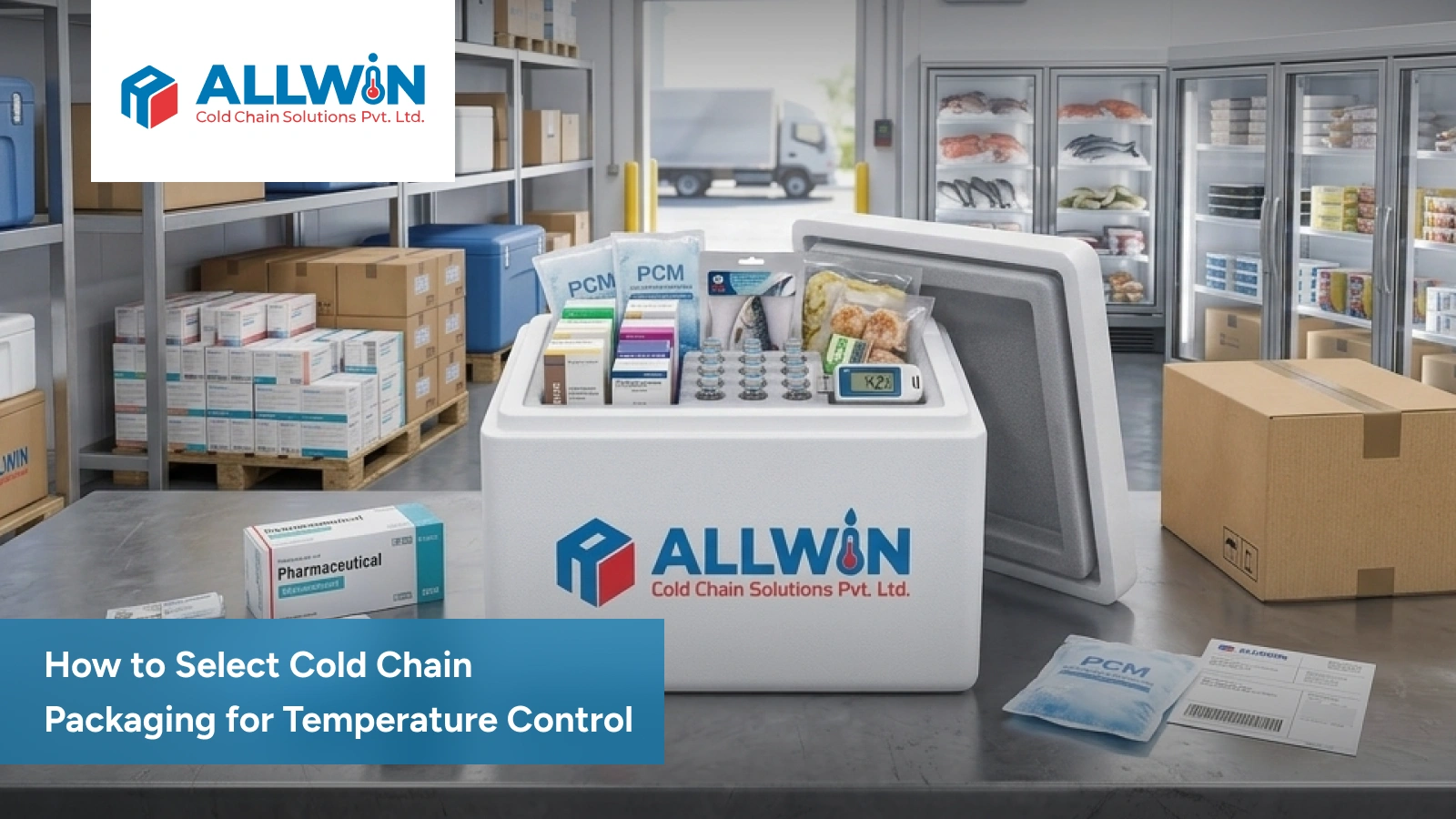
The selection of appropriate cold chain packaging technology distinguishes between the arrival of a usable product and a non-useable one. When done correctly, the cargo, which may include vaccines, biopharmaceuticals, and frozen food, arrives in a compliant condition. Alternatively, failure to select the right one may lead to cargo spoilage and rejected shipments.
The challenge lies in the fact that the success of packaging is determined by four aspects of the shipment: its size, the temperature required by the product, the duration of shipment, and the ambient temperature. Most failures occur due to a misunderstanding of one of these factors.
This guide will give a detailed idea of each factor to help you choose the proper packaging without any misjudgments.
Cold Chain packaging is a method guaranteeing safe transportation of items that need to remain under specific temperature conditions. The cold chain concept does not simply refer to a specific container but emphasizes a system involving insulation, cooling agents, and generally temperature monitoring.
Regular packaging is effective in protecting goods from being damaged due to falls as well as from dust. But temperature controlled packaging can do more than just regular packaging, as it can keep the temperature consistent inside regardless of the temperature outside.
This is what helps protect those perishables that can spoil easily.
Fundamentally, all packaging choices depend on four questions. Get one of them wrong and the whole shipment's at risk:
That is the quantity you’re shipping and the overall load size, which help determine box size and the space required for coolant. The courier parcel and full pallet are very different problems even when the product itself remains the same.
This is the range in which the product must stay; whether frozen, chilled, or controlled ambient. This determines the coolant type and the thickness of the insulation. In all other areas, the entire design depends on this single factor.
This is the actual time the shipment is traveling, under the worst possible realistic scenario and not the scheduled travel time. A longer trip results in packaging needing to hold temperature for longer. Underestimating is a huge common error.
This is the heat/cold the shipment goes through during handovers, on trucks, and on tarmacs. A route in the summer stresses packaging a lot more than in the winter. The design has to resist a really rough time.
Selecting the right packaging works best as a step-by-step process. Following the right order helps prevent over-packing or under-protecting temperature-sensitive products.
Following these steps can make it easier to identify the cold chain packaging solution that matches the product, route, duration, and temperature requirements.
For businesses that prefer professional support, Allwin's cold chain packaging range is designed around these important factors.
In many cases, the problem starts with payload. If the box is too small, money is wasted in freight charges. If it is too big, there will be air gaps inside, making the cold dissipate faster.
The main objective is to achieve the exact fit. The product and coolant must occupy the space well, and the insulation material must match the load requirements. The construction of the small courier parcel is different from that of the full pallet, even if the product is the same.
Allwin can deal with payloads anywhere from small 1L courier boxes to over 3400L of pallet-sized loads - so the packaging matches the load rather than forcing the load into a standard box.
The product's temperature sensitive packaging requirements are one of the most important factors to consider. They determine the appropriate coolant type, insulation thickness, and overall packaging design.
For frozen goods like seafood and certain biologics. It needs frozen coolant and heavy insulation to hold deep cold across the entire trip. This is the most demanding band to maintain.
The most common pharma range, covering most vaccines and biologics. It needs coolant that is conditioned to chill without freezing the product, which is a real risk here. Getting this balance wrong damages the load as heat would. Precision matters most in this band.
For goods that must not get too hot or too cold. This is often the trickiest, because the box has to defend against both extremes at once. Insulation alone is not enough, since the coolant has to buffer in two directions. It suits many oral drugs and specialty products.
Good temperature sensitive packaging is designed around one of these bands.
Time determines how long the insulation must maintain the required temperature. Packaging for Cold Chain Shipping must therefore be selected based on the shipment duration. A 12 hour package transported within a city will require a different design than one shipped for five days.
The rule is simple: pick a hold time that is much longer than your expected shipment. If the shipment is booked for 24 hours, it is safer to think that it may take up to 48 hours; therefore, more padding is better. With Allwin, a maximum of 120 hours of insulation is available for difficult shipments.
If you understate the hold time, the cooling agent will evaporate before the delivery. This leads to a large number of cold chain failures.
The heat outside matters as much as the temperature inside. A road through a hot summer at 45°C requires a lot more insulation than the same road in winter.
Ambient temperature control means designing the packing so that it can withstand the external environment throughout the journey. This is the reason the same product can require different packing at different times or different locations.
Disregarding ambient conditions is one of the most frequent and expensive mistakes. Always design for the maximum temperature the packaging is likely to experience, and not for the average one.
Insulation slows down the heat transference rate. What materials you pick will impact hold time and cost.
Strong insulated cold packaging pairs the right material with the right coolant. Neither works well alone.
Different sectors need different builds, because their products and rules differ.
In regulated sectors, packaging must demonstrate its effectiveness rather than simply being functional. The record is as important as the impact of packaging.
Most cold chain processes in pharmaceuticals follow the Good Distribution Practice (GDP) established by institutions like the WHO. Packaging is normally validated according to ISTA and WHO standards based on the performance of packaging under the required shipping conditions. The documentation for regulated goods is mandatory.
Of all cold chain packaging companies in India, Allwin is different because we approach packaging as a single functioning system. The coolant, insulation, and monitoring are synchronized together to suit the route for that specific shipment.
Backed by a parent company with years of PUF-insulated packaging experience and based in Gandhinagar, Gujarat, Allwin supplies packaging matched to your operation.
Selecting cold chain packaging comes down to four key questions: how much are you shipping, how cold must it stay, how long is the journey, and how hot does it get along the way? Answer these accurately, and most packaging problems can be avoided before they start. As a reliable provider of cold chain packaging solutions, we understand the importance of managing packaging as a system designed for the route and engineered for realistic field conditions. They determine the payload, consider the surrounding heat, and check it all before trusting. If you do the same, your cold chain will be something that you can really prove. Should you need a partner who will take all these things into account instead of simply providing standard boxes, Allwin is ready to assist you with a safe shipment.

© Copyright 2026 Allwin. All Right Reserved