


2026-04-26
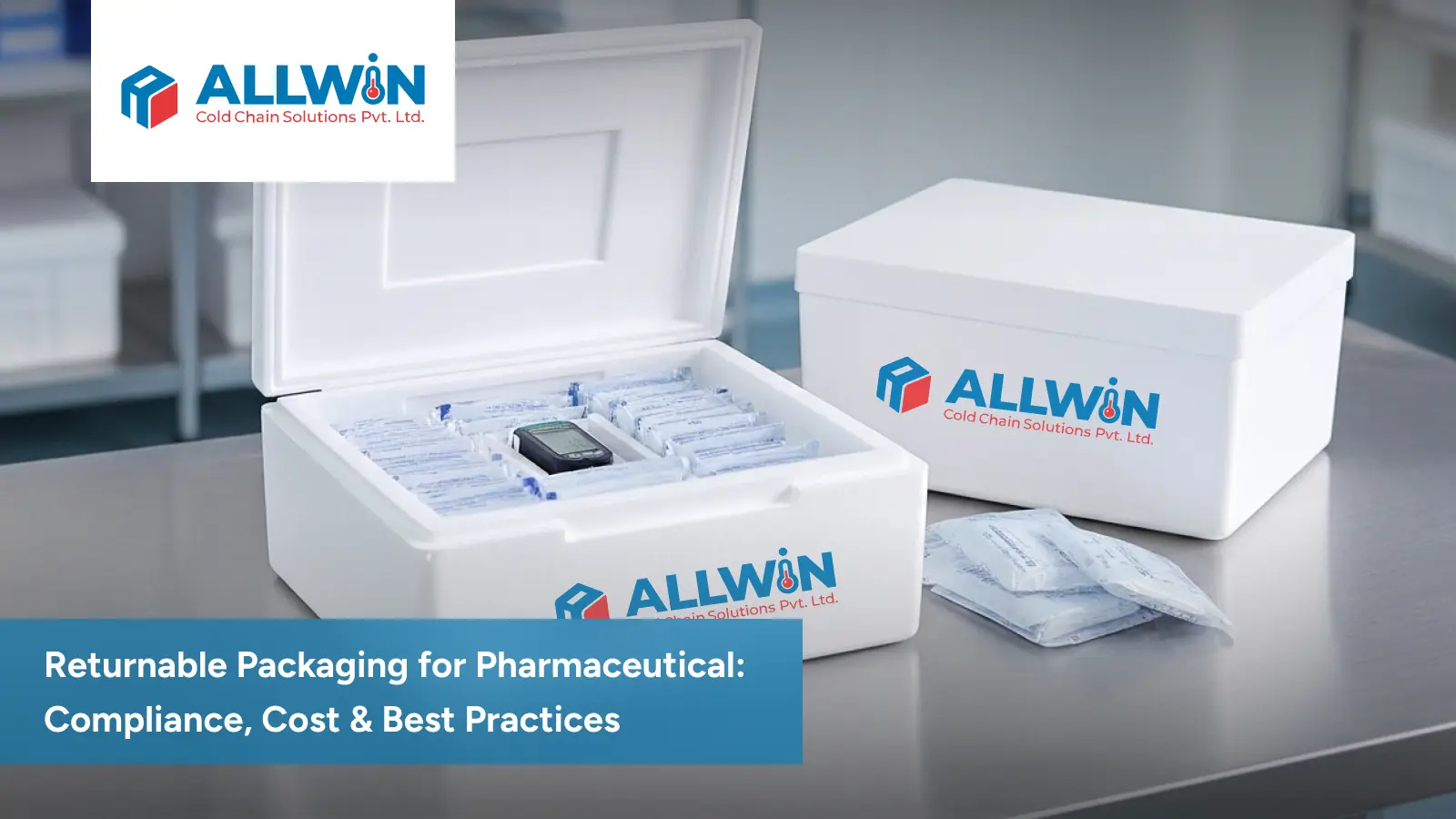
In pharma distribution, packaging is not just a container. It is part of your quality system. When packaging fails, it rarely stays a packaging issue. It becomes temperature excursion risk, quarantine decisions, CAPA workload, product write offs, and uncomfortable questions during audits and quality reviews.
That is why Returnable Packaging for Pharmaceutical is getting serious attention, especially for repeat lanes and high value payloads like biologics. But returnables only work when they are treated like a controlled program, not a one time procurement decision. You need lane fit design, repeatable pack out, monitoring that produces usable evidence, and a reverse logistics loop that does not leak assets.
High ambient exposure, variable dwell time at hubs, and mixed carrier handling quality mean you cannot design for ideal conditions. You need a program that is GDP ready, operationally simple, and provable with data. The sections below cover compliance, validation, monitoring, and the real math behind returnable packaging cost savings pharma.
Returnable Packaging for Pharmaceutical refers to reusable, multi trip packaging systems designed to maintain required temperature conditions during distribution and then return back into the network for repeat use. The key word is controlled. Returnable packaging is not just reusable. It must perform consistently across repeated cycles, and it must fit your documentation discipline.
In cold chain terms, returnables sit inside Pharmaceutical cold chain packaging programs where lane repeatability is high and the cost of failure is significant. Done right, returnables reduce packaging waste and can reduce cost per qualified trip. Done casually, they introduce variability, such as worn insulation, missing coolant, inconsistent pack outs, and unclear chain of custody.
Learn: What Are Temperature Control Solutions? A Complete Guide
The shift is not about replacing single use everywhere. It is lane based. Teams are upgrading packaging in lanes where performance matters most, and where failure cost is higher than packaging cost.
In India, the logic becomes even more relevant because temperature risk is amplified by ambient exposure and variability at handoffs. A validated returnable system becomes a stabiliser when the network cannot guarantee perfect conditions at every step.
Most real operations use multiple controls: cold rooms, reefer transport, insulated packaging, and monitoring. pharmaceutical cold chain solutions are rarely one method everywhere. They are designed lane by lane.
This aligns with India GDP thinking. India’s CDSCO GDP guidance sets expectations for Good Distribution Practice across the distribution chain, including transport and storage control and documentation discipline.
Read More: Temperature Controlled Packaging Solutions: A Complete Guide
In most distribution lanes, returnable systems start as passive packaging for pharma. Passive means insulation plus pre conditioned thermal media and a controlled pack out, without powered cooling. Passive systems are simpler to run and easier to scale across multiple nodes, especially when you have multiple handoffs.
Active systems, such as powered containers, can be essential for certain extreme duration or ultra sensitive payloads, but they are operationally heavier and usually more expensive to deploy. For many lanes, validated passive returnables are the practical balance.
WHO model guidance on storage and transport of time and temperature sensitive pharmaceuticals focuses on maintaining required conditions during storage and transport and implementing appropriate controls and monitoring.
Returnables in pharma usually show up as:
Allwin offers reusable cold chain boxes designed for repeat use in temperature-sensitive distribution, including pharma use cases.
Selection should be lane fit, not most premium. You want predictable internal temperature behaviour under realistic ambient conditions and realistic handling.
A lot of teams get stuck on product names, but shipper selection is really lane selection. You are choosing performance under a defined duration, ambient exposure, and handling pattern.
An insulated pharma shipper is typically used for standard temperature sensitive payloads on proven lanes. An insulated reusable shipper for biologics becomes relevant when payload value and sensitivity justify tighter control and stricter process discipline. In both cases, the most important factor is how the shipper behaves in your real lane, not an ideal scenario.
See Also: Cold Chain Logistics: Keep Temperature-Sensitive Products Safe
The difference between returnable packaging and GDP compliant cold chain packaging is control and evidence. GDP is not only about maintaining temperature. It is about being able to demonstrate that you maintained it, and that equipment and monitoring are controlled and suitable.
EU GDP guidelines state that distributors must ensure medicinal products are transported in accordance with appropriate conditions and that temperature conditions are maintained within acceptable limits during transport. India’s CDSCO GDP guidance similarly frames GDP expectations across distribution activities with a focus on quality, risk control, and documentation.
This is the operational foundation of pharmaceutical packaging temperature compliance. It turns compliance from a document into a routine.
cold chain packaging validation is proof that the shipper, pack out, and lane conditions can maintain the required temperature for the required duration, including realistic worst case scenarios. Validation is not only a lab result. It is an evidence package that links performance to how the shipment is actually run.
ISTA 7D is commonly referenced as a thermal performance test procedure for temperature exposure in packaged product transport. ISTA also provides thermal testing standards guidance that many teams use when planning profiles and simulation logic.
Returnables are only as credible as their monitoring story. A cold chain data logger pharmaceutical program provides evidence for release decisions, deviation investigations, carrier performance reviews, and continuous improvement.
WHO guidance emphasises appropriate monitoring and documentation for time and temperature sensitive products during storage and transport.
Returnable programs succeed or fail in the return loop. Packaging comes back, but does it come back usable, complete, and clean. A returnable system is only returnable when you can reliably re qualify it for the next trip.
This is why returnables are best deployed first in lanes where you can control returns, such as distribution centres, hospitals, depots, or contracted closed loop networks.
The strongest business cases do not claim packaging is cheaper. They show lower cost per qualified trip and fewer exception costs.
returnable packaging cost savings pharma typically comes from:
When evaluating Returnable Packaging Solutions, the question is whether the supplier can support a stable, auditable, lane fit program, not only supply a shipper.
Allwin’s product range includes reusable cold chain boxes, which can support returnable programs where repeat use and controlled returns are practical.

Returnable Packaging for Pharmaceutical works best when treated as a controlled system: validated performance, GDP ready processes, monitoring that proves compliance, and a reverse logistics loop that does not leak assets.
If you are building a program in India, start lane-based. Validate in peak conditions. Standardise pack outs. Use monitoring to improve, not only to record. Expand only after the return loop is stable.
That is how you build a returnable program that protects product integrity, supports audits, and delivers real cost benefits.

© Copyright 2026 Allwin. All Right Reserved