


2026-10-15
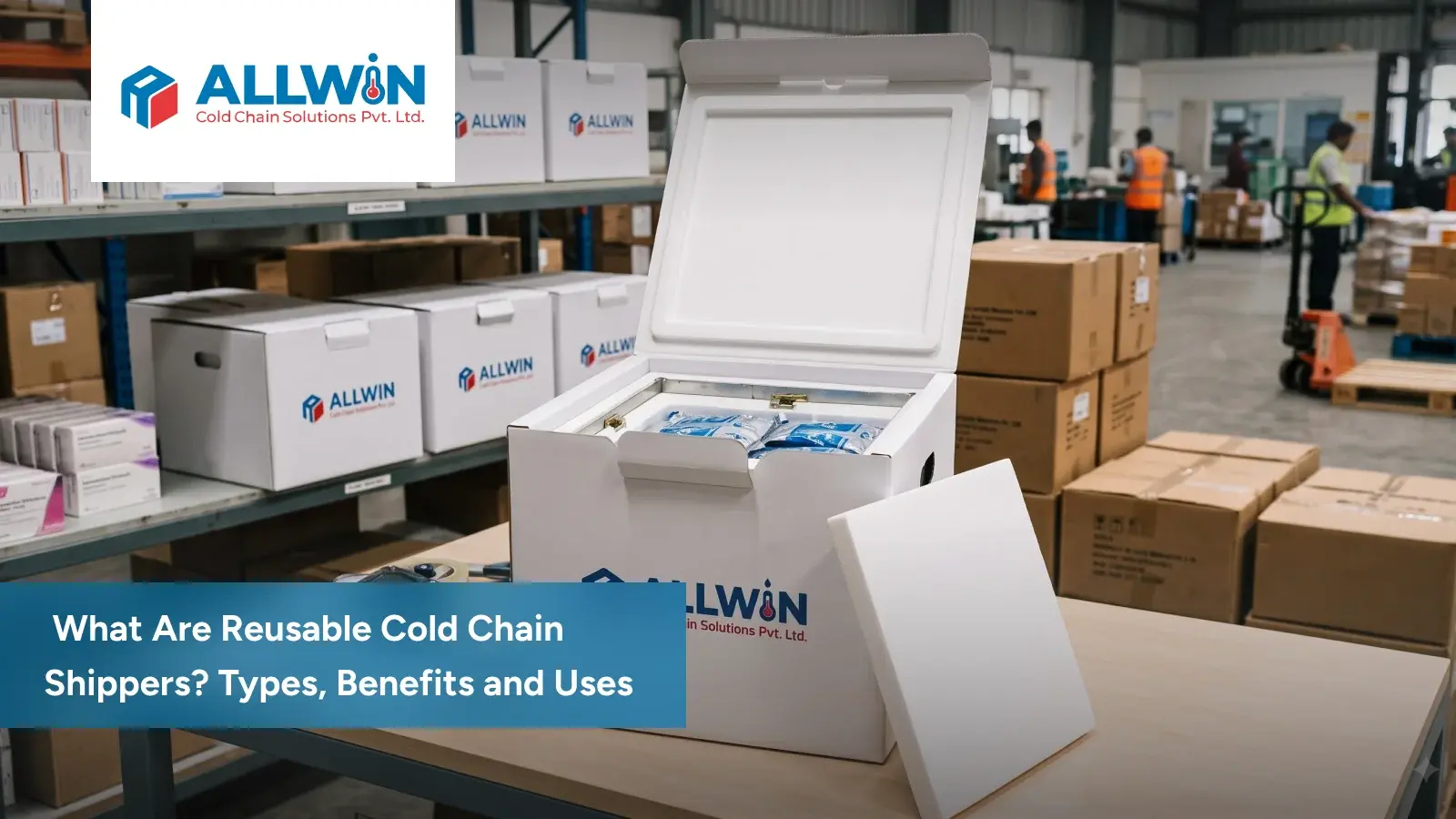
Single-use packaging has one obvious flaw. You pay once. You use it once. Then you bin it. On repeat routes, that cost keeps stacking up. This is where reusable shippers change the maths. A reusable cold chain shipper is an insulated container. It makes the same trip time and again. It maintains a designated temperature every single time. One journey multiplied by multiple journeys. What about running on closed-loop routes? A reusable cold chain shipper solves multiple problems at once. In this article, you will learn what it is, how it functions, and its types as well as advantages and applications.
A reusable cold chain shipper is an insulated container. It holds temperature-sensitive goods at a set range. The key word is reusable. It is built to come back and go out again. Trip after trip.
Single-use shippers do one journey. Then out they go. Reusable units are built tougher. The materials survive repeated use. They take cleaning and handling. The upfront cost is higher. Spread it across many trips. The cost per shipment falls sharply.
They are a core part of modern temperature controlled shippers. Closed-loop networks are their natural home. Packaging returns to base. It gets sent out again. Pharma, food, and logistics all use them. They cut long-term costs.
The concept is clear. A protected shell inhibits the transference of heat. The coolant maintains the required temperature. Together, the two ensure that the package is not disturbed. However, that is the outside condition.
Durability sets them apart from single-use. Reusable insulated shippers take the knocks of transit again and again. After each trip, the unit comes back. It gets cleaned. The coolant is reconditioned. Then it is good to go again.
Here is the cycle in short:
Reusable cold chain shippers keep the needed temperature by using packaging and proper coolants. This helps keep temperature products safe while they travel. A temperature control solutions guide can help businesses learn how to pick the packaging system. The temperature control solutions guide looks at product needs and how long the shipment will take. The temperature range.
No one type wins across the board. It depends on three things. The product. The route. The temperature. These are the main ones.
VIP shippers run on vacuum insulated panels. This is the best-performing insulation you can get. They give the longest, steadiest hold in the thinnest wall. For sensitive, high-value loads, they are the obvious pick. They are the basis of Allwin’s reusable range.
These use tough moulded plastic with an insulating layer. Rugged. Easy to clean. Built for heavy repeated use. On many food and logistics routes, they balance cost and performance well.
Smaller reusable units made for parcel-sized loads. They suit pharmaceuticals and samples in smaller amounts. Light and easy to handle. They slot into last-mile and courier networks.
This one splits by control method. Passive units use insulation and coolant alone. No power. Active units add powered regulation for a precise range on long, critical shipments. Most routes do fine on passive insulated reusable shippers. Active is saved for high-risk loads.
Reusable shippers fix problems single-use packaging cannot. Especially on repeat routes. Here is what you get.
Good reusable insulated shippers turn packaging from a cost you keep paying into an asset you keep using.
Reusable shippers turn up on repeat, closed-loop routes. Anywhere temperature-sensitive goods move that way. The cargo changes by sector. The logic does not.
Reusable cold chain shippers help keep temperature- products safe during transport. These reusable cold chain shippers are used in the pharmaceutical, healthcare and biotechnology industries where product quality must stay intact. Choosing the packaging for cold chain shipping depends on the required temperature range, how long the transit lasts and the handling conditions to keep reliable protection all the way through transportation.
Match the shipper to your route and product. The same unit can be spot-on for one lane. It can be wrong for the next. Run through these questions.
Choosing the reusable cold chain shipper depends on the temperature range required, the length of the shipment, how sensitive the product is and the conditions it will face during transport. Knowing how to select cold chain packaging for temperature control helps companies find a good option that keeps products safe and ensures the cold chain works well.
Allwin cold chain solutions does not treat a reusable shipper as a box on its own. The insulation, the coolant, the monitoring: all matched to the same route. The whole shipment performs as one. That approach comes from a parent company with years in insulated ice boxes and shippers.
Allwin is a trusted cold chain packaging manufacturer. Based in Gandhinagar, Gujarat, it builds reusable shippers to suit your operation. Not a generic catalogue.
Reusable cold chain shippers turn packaging from a repeated expense into a long-term asset. On closed-loop routes, the unit comes back anyway. So they cut cost and waste. And they hold temperature as reliably as single-use. Often better. The decision comes down to a few honest questions. How cold must the load stay? How long is the real journey? Does the packaging return? Answer those. Match the insulation and coolant to the route. The right reusable shipper tends to reveal itself. For pharma, food, and logistics on regular lanes, reuse is rarely a gamble. It is the economical call. It pays back trip after trip. Pick a validated unit. Recondition it properly between runs. You get consistent, provable performance for years. That is what makes reusable shippers a smart long-term investment. Not just another box.

© Copyright 2026 Allwin. All Right Reserved